
Website Designing
Website designing involves creating and designing the visual layout, structure, and user experience of a website. It encompasses various elements such as graphic design, user interface (UI) design, user experience (UX) design, and coding. Here's an overview of the website designing process:
Planning and Research:
Understand the goals, target audience, and requirements of the website. Conduct research on competitors, industry trends, and best practices.
Wireframing and Prototyping:
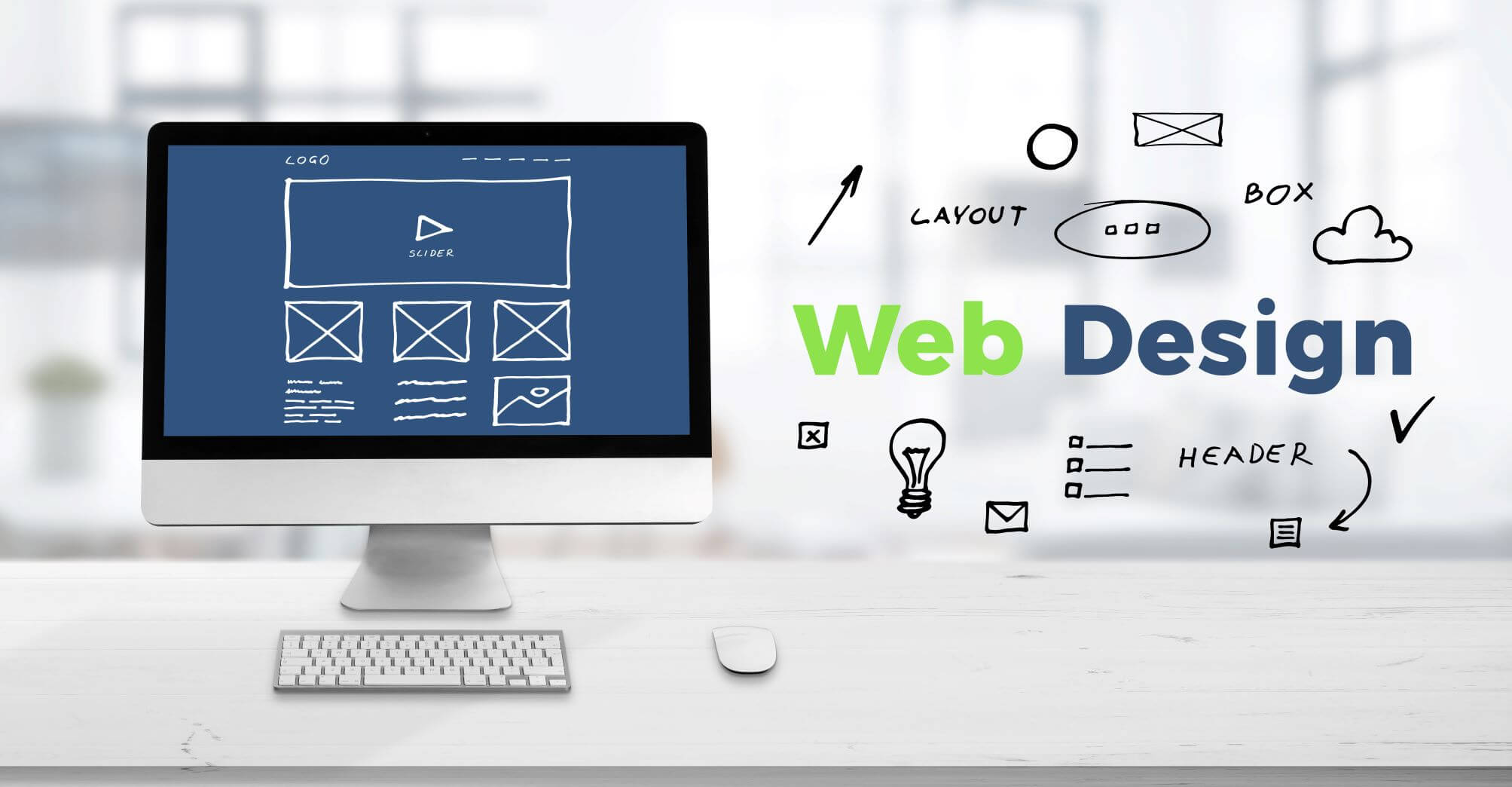
Create wireframes and prototypes to visualize the layout and functionality of the website before the actual design process begins. This helps in defining the structure and flow of the website.
Graphic Design:
Design visual elements such as logos, images, icons, and color schemes to create a visually appealing and cohesive website design. This includes creating a style guide to maintain consistency throughout the website.
UI Design:
Design the user interface elements, including navigation menus, buttons, forms, and interactive elements, to enhance usability and accessibility. Focus on creating intuitive and user-friendly interfaces that guide users through the website seamlessly.
UX Design: Focus on the overall user experience, including user flow, information architecture, and usability testing, to ensure that the website is intuitive and easy to navigate. Conduct user testing and gather feedback to identify areas for improvement.
Responsive Design:
Design the website to be responsive and adapt to different screen sizes and devices, ensuring a seamless user experience across desktops, laptops, tablets, and smartphones. Use techniques such as flexible grids and media queries to achieve responsiveness.
Coding and Development:
Translate the design into code using web technologies such as HTML, CSS, and JavaScript. Implement functionality and interactivity as needed, and ensure that the website is optimized for performance, accessibility, and search engine visibility.
Testing and Optimization:
Test the website across different browsers and devices to identify and fix any issues. Optimize performance, loading times, and SEO factors to improve search engine rankings. Conduct usability testing to ensure that the website meets user expectations and achieves its goals.
Website designing requires a combination of creativity, technical skills, and attention to detail to create visually stunning and user-friendly websites that effectively communicate the brand message and achieve business objectives. It's an iterative process that involves collaboration between designers, developers, and stakeholders to deliver a successful website that meets user needs and drives results.