
Digital marketing
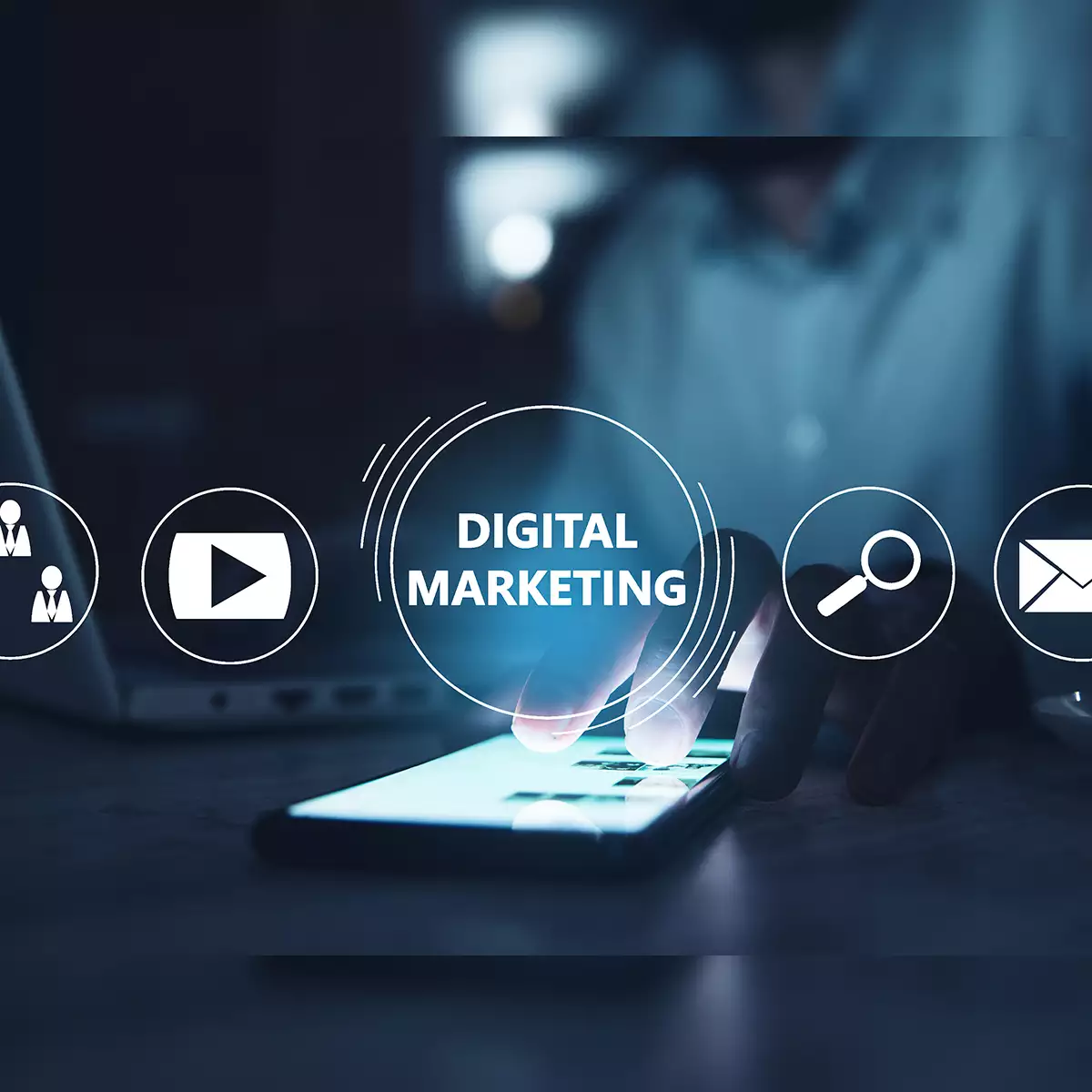
Digital marketing encompasses a wide range of strategies and tactics aimed at promoting products, services, or brands using digital channels. Here's a detailed overview of various aspects of digital marketing:
Search Engine Optimization (SEO):
SEO involves optimizing your website and content to improve its visibility and ranking in search engine results pages (SERPs). This includes keyword research, on-page optimization, technical SEO, link building, and content creation. The goal is to attract organic (non-paid) traffic from search engines like Google, Bing, and Yahoo.
Pay-Per-Click (PPC) Advertising:
PPC advertising allows advertisers to bid on keywords and pay a fee each time their ad is clicked. It's a way of buying visits to your site rather than attempting to "earn" those visits organically. PPC ads appear on search engine results pages (SERPs) or other websites, and platforms like Google Ads and Bing Ads offer various targeting options and ad formats.
Content Marketing:
Content marketing involves creating and distributing valuable, relevant, and consistent content to attract and engage a target audience. This can include blog posts, articles, videos, infographics, podcasts, ebooks, and more. The goal is to build trust and credibility with potential customers, drive brand awareness, and ultimately, generate leads and conversions.
Social Media Marketing:
Social media marketing focuses on using social media platforms to connect with your audience, build your brand, and drive website traffic. This includes creating and sharing content, engaging with followers, running ads, and analyzing metrics. Popular social media platforms for marketing include Facebook, Instagram, Twitter, LinkedIn, YouTube, and Pinterest.
Email Marketing:
Email marketing involves sending commercial messages to a group of people via email. This can include newsletters, promotional offers, product updates, event invitations, and more. Email marketing allows businesses to nurture leads, build relationships with customers, and drive conversions. It's often used in conjunction with other digital marketing strategies to reach and engage with audiences.
Influencer Marketing:
Influencer marketing involves partnering with influencers or brand advocates who have a significant following on social media to promote your products or services. Influencers can help businesses reach a new audience, build credibility, and drive engagement and sales through trusted recommendations.
Analytics and Optimization:
Analytics play a crucial role in digital marketing by providing insights into the performance of campaigns and strategies. Tools like Google Analytics, social media analytics, and email marketing platforms allow businesses to track metrics such as website traffic, engagement, conversions, ROI, and more. This data can be used to optimize campaigns and make data-driven decisions for better results.
These are just a few key aspects of digital marketing, and there are many more strategies and tactics to explore within the digital landscape. The most effective digital marketing campaigns often involve a combination of these techniques tailored to the specific goals and target audience of each business.